Let's be real: some days you're on fire. You wake up early, you crush the workout, you feel unstoppable. Other days? You hit snooze. You tell yourself you'll go later. Later becomes never. We've all been there—and it has nothing to do with being lazy. It has everything to do with how we're set up.
Here's the shift that changes the game: stop depending on motivation. Start designing systems.
When your environment and your routines do the heavy lifting, you don't need to feel pumped to show up. You just… show up. And that's when the magic happens.
Why Willpower Is a Terrible Plan A
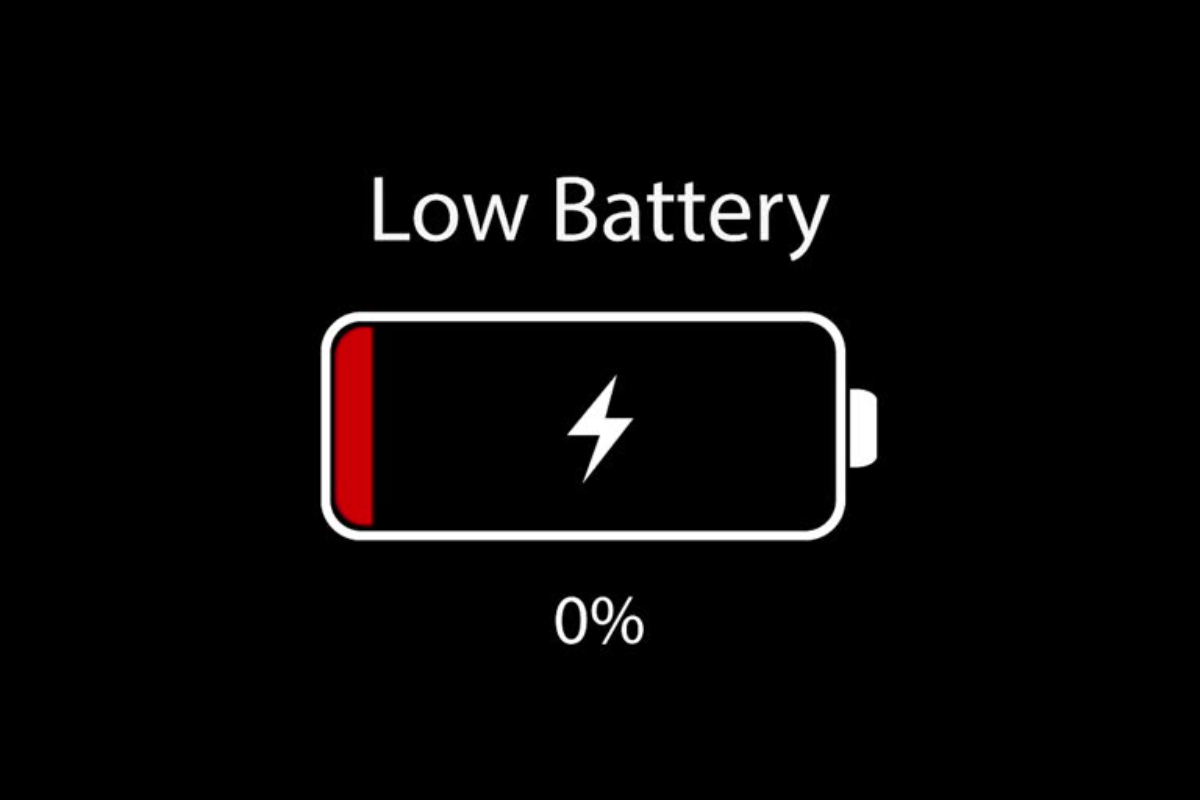
Willpower is like a battery. It's strongest in the morning, drains as you make decisions all day (what to eat, what to wear, whether to reply to that email), and by evening? Good luck convincing yourself to do anything that feels optional.
Research backs this up: we have a limited pool of self-control. Every small decision taps into it. So if "going to the gym" or "doing that home workout" depends on you deciding to do it after a long day, you're fighting with an empty tank.
The fix isn't to try harder. It's to need less willpower in the first place. That's where systems come in.
What "Systems" Actually Means (No Jargon, We Promise)
A system is just a way of setting things up so the right thing becomes the default. You're not constantly choosing; you're following a pattern you've already decided on.
Think about it:
- Brushing your teeth — You don't debate it. It's part of the routine. You do it.
- Putting on your seatbelt — The car beeps, the habit is wired in. No willpower required.
- Exercise — For most of us, it's still a decision every single time. So it's easy to skip.
The goal isn't to turn into a robot. It's to make movement so built into your day that skipping it feels weirder than doing it. That's system design.
Four Systems That Actually Work
1. Make It Obvious (Environment)
Out of sight, out of mind. If your running shoes are buried in the closet, running is easy to forget. If they're by the door—or better yet, on the floor right where you'll trip over them—you're way more likely to use them.

Try this: Put your workout clothes where you'll see them first thing (on a chair, in a visible drawer). Leave your water bottle on the counter. Small cues like this don't demand motivation; they just remind you that movement is part of the plan.
2. Stack It (Habit Stacking)
You already have routines that run on autopilot: morning coffee, brushing teeth, checking your phone. Attach a tiny movement habit to something you already do.
Examples:
- After I pour my coffee, I do 10 squats.
- After I brush my teeth at night, I do a 60-second stretch.
- When I sit down at my desk, I do 5 push-ups.

You're not adding a whole "workout block"—you're piggybacking on habits that already exist. No extra willpower. Just one small thing, tied to a trigger you never forget.
3. Lower the Bar (Minimum Viable Movement)
"Work out for 45 minutes" is a big ask on a bad day. "Do one push-up" or "walk for 5 minutes" is almost impossible to say no to. So set a minimum that's so small you'd feel silly skipping it.
On great days, you'll do more. On rough days, you still showed up. That's the point. Consistency beats intensity. The system wins when you never break the chain—even with a tiny link.
4. Get the Right Kind of Accountability
We're social. When someone's expecting us—a friend, a challenge group, an app where you're in a streak—showing up stops being optional. It becomes "I said I would."
That's not pressure in a bad way. It's structure. You're not relying on feeling motivated; you're relying on a commitment you already made. Use challenges, friends, or a simple "I'm doing this with someone" setup so that skipping feels like letting someone down—including future you.

The Mindset Shift
Building systems isn't about being strict or rigid. It's about being kind to yourself. You're not failing because you're weak; you're human. So instead of hoping you'll always feel like moving, you set things up so that moving is what happens by default.
Some days you'll still feel pumped. Enjoy it. Other days you'll go through the motions. That's fine too. The system doesn't care how you feel. It just cares that you showed up.
And when you show up enough times, something funny happens: it starts to feel less like effort and more like part of who you are. That's when motivation stops being the thing you wait for—and becomes the bonus you get for having built something that lasts.
Start Small, Then Tighten the System
You don't need to redesign your whole life today. Pick one thing:
- Move your shoes.
- Add one habit stack (e.g. coffee → 10 squats).
- Set a tiny daily minimum (e.g. "one minute of movement").
- Tell one person what you're doing and when.
Do that for a week. See how it feels. Then add the next piece.
Your future self doesn't need you to be perfect. They need you to build a system that makes the good choice the easy choice. You've got this.
Ready to add a little accountability to your system? Challenge a friend—and make showing up something you do together.