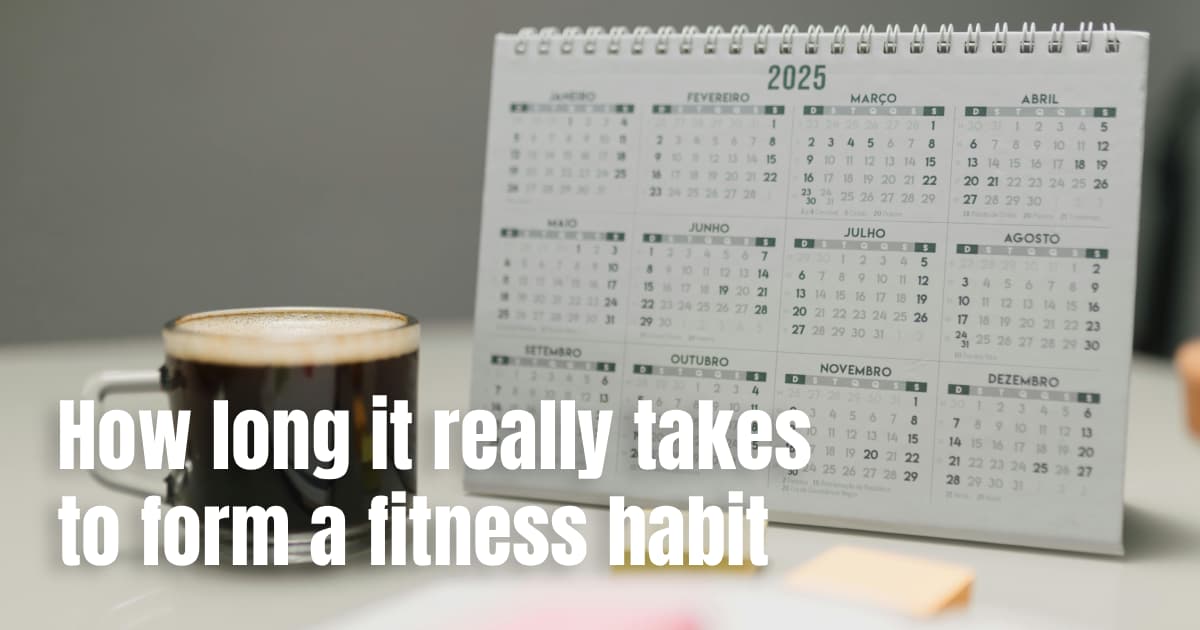
"Twenty-one days to form a habit." You've seen it on posters, in apps, in self-help books. It sounds so clean. So doable. So why does day 22 often feel just as hard as day one—and why do so many of us "fail" and assume we're broken?
Turns out, the 21-day rule is less science and more myth. And that's actually good news. Once you know how long habit formation really takes—and why it varies—you can stop judging yourself for not being "done" by week three and start giving your brain the time it actually needs. Let's clear it up.
Where the 21-Day Idea Came From (And Why It Stuck)
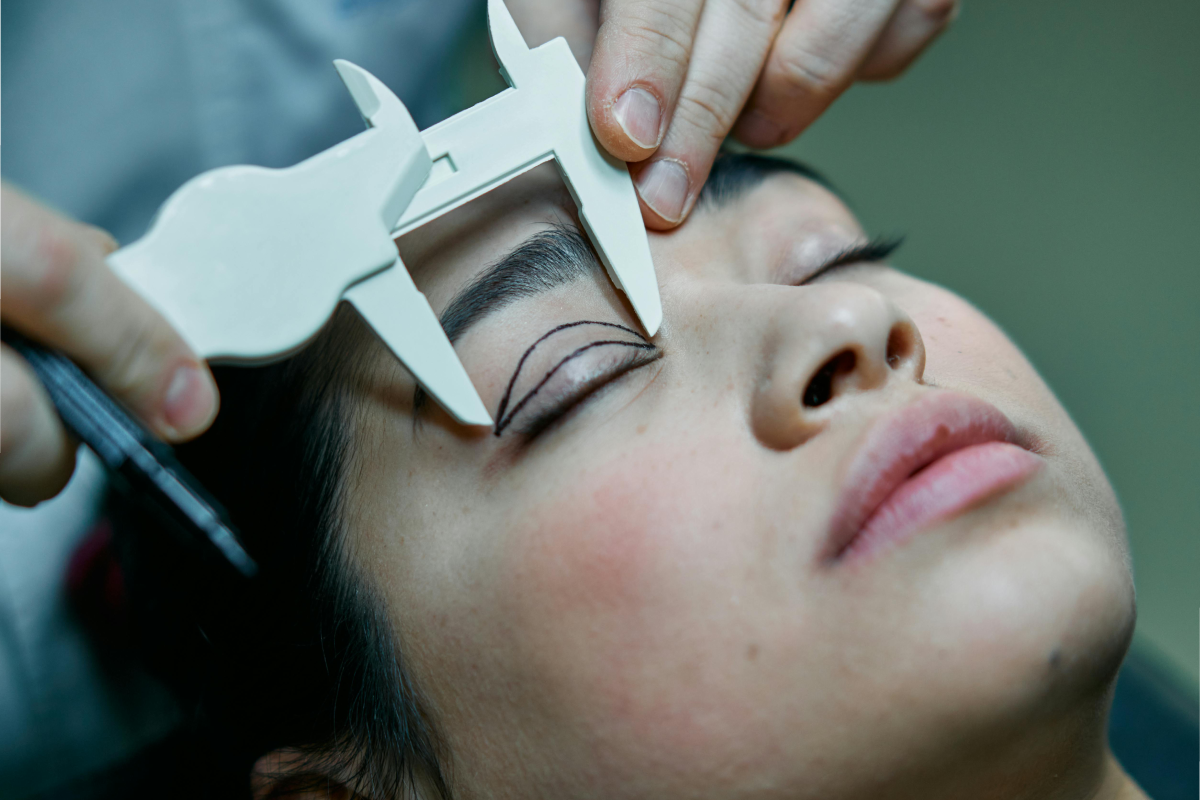
The number didn't come from a big study on exercise or daily routines. It came from a plastic surgeon in the 1960s who noticed his patients took about 21 days to get used to a new face (after surgery). He wrote that it took "a minimum of about 21 days" for an "old mental image to dissolve and a new one to take shape." Over the years, that got simplified into "21 days to form any habit"—and it stuck.
So we're not talking about decades of fitness or psychology research. We're talking about one observation, about one kind of change, that got stretched into a universal rule. No wonder it doesn't fit everyone—or every habit.
What the Research Actually Says
When researchers have studied habit formation in real life—things like drinking water, eating fruit, or exercising—they've found something different. Habits don't flip on at a fixed day for everyone. They form along a curve: automaticity (how "automatic" the behavior feels) tends to increase over time, but the when varies a lot.
In one well-known study, people building habits like "run for 15 minutes" or "eat a piece of fruit at lunch" took anywhere from 18 days to 254 days to reach a point where the behavior felt automatic. The average was around 66 days—not 21. And "automatic" didn't mean "effortless forever." It meant the behavior had become part of their routine enough that it felt like them, not a chore they were forcing.
So if you're past day 21 and it still feels like a push sometimes, you're not failing. You're normal. Your brain might just need more reps—and that's okay.
Why It Differs for Everyone (And Every Habit)
Some habits are easier to wire in. They're simple, they fit your life, and they don't clash with other routines. Others are harder: they take more time, more energy, or they compete with existing habits. So "drink a glass of water at breakfast" might feel automatic in a few weeks, while "work out for 30 minutes before work" might take months. Both are valid. Neither makes you weak.
Your personality, your schedule, your environment, and how much you actually want the change—all of it affects the timeline. So comparing your day 30 to someone else's "I've been doing it for 21 days and it's easy!" is a trap. Your journey is yours. The goal isn't to hit a magic number. It's to keep showing up until it does feel like part of who you are.
What This Means for Your Streaks and Challenges
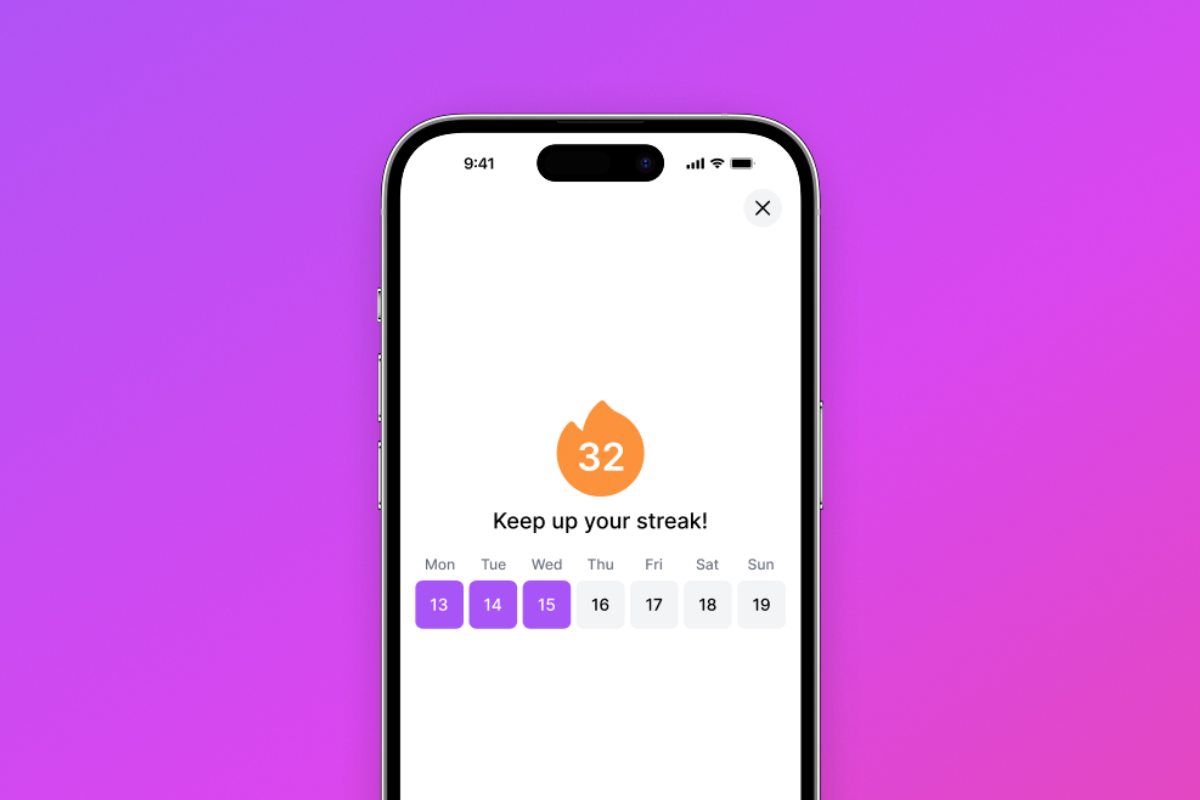
Here's where it gets practical. If you've been beating yourself up for "only" being on day 25, or for needing to push yourself still—stop. You're not behind. You're building. Streaks aren't about hitting 21 and being done. They're about not breaking the chain while your brain catches up. Every day you show up is data for your brain: this is something we do now.
So set your challenges with that in mind. A 21-day challenge is great as a start—a first chapter. But don't treat day 22 as "habit formed, I'm good." Treat it as "I've laid a foundation; now I keep going." Maybe you do a 30-day challenge next. Maybe you go for 66 days. Maybe you just keep the streak alive with no end date. The habit is forming the whole time. You're not late. You're on your way.
Give Yourself the Time You Need
So how long does it really take? The honest answer: it depends. For some people and some habits, a few weeks. For others, a few months. The number isn't the point. The point is to stop using 21 days as a yardstick for success or failure. You're not broken if it takes longer. You're human.
Keep your streak. Keep your challenges. And give your brain the reps it needs. When it clicks—when moving or showing up feels like you—you'll know. No countdown required.
Building a streak that outlasts the myth? Challenge a friend and keep each other going—past day 21 and beyond.